


Complete Roadmap to Becoming an SEO Expert
Mastering SEO requires a blend of technical expertise, creative content strategies, and adaptability to emerging trends. This roadmap breaks down the journey into 9 strategic phases with 80+ essential skills to help you dominate the SEO landscape.


WHO WE ARE
We Offer The Best Carrier
Expert-Led SEO Training for Career Growth
Learn SEO from an industry expert with 13+ years of proven experience. Our comprehensive SEO training offers flexible online learning designed to fit your schedule.
Up-to-Date, Practical SEO Course Content
Stay ahead with the latest SEO strategies and techniques. Our courses are regularly updated and include hands-on modules to help you master technical SEO, local SEO, GMB optimization, and more.
Join the Largest SEO Learning Community
Connect and collaborate with fellow SEO learners in a supportive environment. Benefit from expert guidance, peer discussions, and continuous learning to boost your career or business.

Contact Me Now
- +91 63848 92940
- info@satheesseo.in
- bommanahalli, Bangalore
Hi, I’m Sathees
About me
I’m Sathees, an SEO expert with over 13 years of experience specializing in technical SEO, local SEO, and Google My Business optimization. I’m passionate about helping individuals and businesses grow through effective, ethical SEO strategies. Join my training to gain practical skills and real-world SEO knowledge.
Phase 1: Master the Fundamentals
Build a strong foundation by understanding the core principles of SEO.
Introduction to SEO
- Learn how search engines work (crawling, indexing, ranking).
- Understand the importance of SEO in driving organic traffic.
- Explore the difference between organic search, paid search, and other traffic sources.
Keyword Research
- Use tools like Google Keyword Planner, Ahrefs, and SEMrush to identify high-value keywords.
- Focus on search intent (informational, navigational, transactional).
- Analyze long-tail keywords and their potential for driving targeted traffic.
Competitor Analysis
- Identify top competitors in your niche.
- Analyze their backlink profiles, content strategies, and technical SEO.
- Use tools like Ahrefs, SEMrush, and SpyFu for competitor insights.
Content Optimization
- Write high-quality, engaging, and search-friendly content.
- Optimize for on-page SEO elements like title tags, meta descriptions, headers, and URLs.
- Use latent semantic indexing (LSI) keywords to improve relevance.
Technical SEO Basics
- Ensure proper crawling and indexing with robots.txt and XML sitemaps.
- Fix broken links, duplicate content, and crawl errors.
- Optimize site architecture for better user experience and search engine visibility.
Link Building
- Focus on white-hat link-building strategies like guest blogging, outreach, and content partnerships.
- Avoid black-hat tactics like buying links or using PBNs (private blog networks).
- Optimize site architecture for better user experience and search engine visibility.
User Experience (UX)
- Improve site navigation, readability, and mobile-friendliness.
- Reduce bounce rates by enhancing page speed and design.
- Use heatmaps and user behavior tools like Hotjar to understand user interactions.
SEO Metrics
- Track key metrics like organic traffic, click-through rate (CTR), and conversion rates.
- Use Google Analytics and Google Search Console for performance insights.

Phase 2: Deepen Your SEO Knowledge
Dive into advanced concepts to stay ahead of the curve.

JavaScript SEO
- Learn how search engines render JavaScript-heavy websites.
- Use tools like Google Search Console’s URL Inspection Tool to debug rendering issues.
- Implement dynamic rendering for better indexing.
Internal Linking
- Create a logical internal linking structure to distribute link equity.
- Use anchor text strategically to improve keyword rankings.
Core Web Vitals
- Optimize for Largest Contentful Paint (LCP), First Input Delay (FID), and Cumulative Layout Shift (CLS).
- Use tools like Google PageSpeed Insights and Lighthouse for performance audits.
Mobile-First Indexing
- Ensure your site is fully responsive and mobile-friendly.
- Test your site using Google’s Mobile-Friendly Test.
Structured Data & Schema Markup
- Implement schema markup for rich snippets, FAQs, and breadcrumbs.
- Use tools like Schema.org and Google’s Structured Data Testing Tool.
- E-E-A-T (Expertise, Experience, Authoritativeness, Trustworthiness) Build credibility through high-quality content and author bios.
- Showcase certifications, awards, and testimonials.
Image & Video Optimization
- Compress images without losing quality using tools like TinyPNG.
- Add alt text, captions, and descriptive filenames to images.
- Optimize video titles, descriptions, and transcripts for YouTube SEO.
SERP Feature Optimization
- Target featured snippets, knowledge panels, and local packs.
- Use tools like Ahrefs and SEMrush to identify SERP feature opportunities.
Website Migration SEO
- Plan and execute site migrations without losing rankings.
- Use 301 redirects, update internal links, and monitor for errors.
AI Content Optimization
- Leverage AI tools like ChatGPT, Jasper, and Surfer SEO to create and optimize content.
- Focus on user intent and semantic relevance.
Semantic Search
- Understand how Google uses context and entities to rank content.
- Optimize for related keywords and topical clusters.
LLM-Optimized Content
- Create content that aligns with large language models (LLMs) like GPT-4.
- Focus on natural language processing (NLP) and conversational search.
Neural Matching
- Adapt to Google’s AI-driven ranking factors.
- Focus on user intent and content relevance.
AI-Driven E-E-A-T
- Use AI tools to enhance authority signals and content credibility.
Phase 3: Execute the SEO Process
Learn how to implement and manage SEO strategies effectively.
SEO Audit
.
- Conduct technical, on-page, and off-page audits.
- Use tools like Screaming Frog, Ahrefs, and SEMrush.
SEO Strategy Development
.
- Create data-driven SEO plans based on audits and competitor analysis.
- Set short-term and long-term goals.
- Analyze long-tail keywords and their potential for driving targeted traffic.
Goal Setting
.
- Define KPIs like organic traffic, rankings, and conversions.
- Use SMART goals (Specific, Measurable, Achievable, Relevant, Time-bound).
Performance Monitoring
.
- Track progress using Google Analytics, Google Search Console, and rank-tracking tools.
- Adjust strategies based on performance data.
Project Management
.
- Use tools like Trello, Asana, or ClickUp to manage SEO projects.
- Collaborate with teams for content creation, technical fixes, and link building.
Phase 4: Specialize in Niche SEO Areas
Focus on industry-specific SEO strategies to stand out.

International SEO
- Use hreflang tags for multilingual sites.
- Optimize for geo-specific keywords and local search engines.
News SEO
- Optimize for Google News and AMP (Accelerated Mobile Pages).
- Focus on freshness and timeliness of content.
E-commerce SEO
- Optimize product pages, category pages, and shopping feeds.
- Use schema markup for product reviews and ratings.
SaaS SEO
- Target high-intent keywords for SaaS products.
- Create comparison pages, case studies, and free trial landing pages.
Local SEO
- Optimize for Google My Business and local citations.
- Focus on reviews, NAP (Name, Address, Phone) consistency, and local backlinks.
Travel SEO
- Optimize for destination-based keywords and travel intent.
- Use structured data for flights, hotels, and reviews.
Healthcare SEO
- Navigate YMYL (Your Money, Your Life) guidelines.
- Focus on E-E-A-T and authoritative backlinks.
B2B SEO
- Target long-tail keywords and industry-specific terms.
- Create whitepapers, webinars, and case studies.
Phase 5: Automate SEO Tasks
Leverage automation to save time and improve efficiency.
Python for SEO
- Automate tasks like data scraping, rank tracking, and reporting.
- Use libraries like BeautifulSoup and Pandas.
Google App Scripts
- Create custom scripts for Google Sheets and Google Analytics.
BigQuery & SQL
- Analyze large datasets for SEO insights and trends.
RegEx for SEO
- Use regular expressions for advanced data manipulation.
AI-Powered Tools
- Automate content analysis, optimization, and reporting with tools like Surfer SEO and Frase.
GPT Integration
- Generate SEO-friendly content and meta descriptions with AI.
Machine Learning
- Use ML to predict ranking trends and user behavior.
Automated Reporting
- Create dynamic reports with tools like Google Data Studio and DashThis.
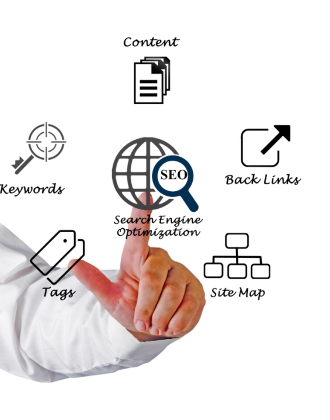
Phase 6: Stay Updated with SEO Trends
Keep up with the ever-evolving SEO landscape.
Follow Official Blogs
.
- Stay updated with Google Search Central, Bing Webmaster Tools, and Yahoo Search Blog.
SEO News Sites
.
- Read Search Engine Journal, Moz Blog, Ahrefs Blog, and SEMrush Blog.
Podcasts & Webinars
.
- Listen to podcasts like Search Engine Journal Show and The SEO Playbook.
Algorithm Updates
.
- Monitor Google Algorithm Updates and adjust strategies accordingly.
Community Engagement
.
- Join forums like Reddit SEO, WebmasterWorld, and BlackHatWorld.
Phase 7: Leverage Free SEO Tools
Use free tools to optimize your website and track performance.
Keyword Research
- Use Ubersuggest, Answer The Public, and Google Keyword Planner.
On-Page SEO
- Use Yoast, SEOptimer, and Screaming Frog.
Link Building
- Use Hunter.io, Moz Link Explorer, and Ahrefs Backlink Checker.
Rank Tracking
- Use Google Search Console, SERPWatcher, and AccuRanker.
Web Speed Optimization
- Use Google PageSpeed Insights, GTmetrix, and Lighthouse.
Structured Data
- Use Schema Markup Generator and Rich Results Test.
Mobile SEO
- Use Mobile-Friendly Test and Lighthouse.
Local SEO
- Use Google My Business and BrightLocal.
International SEO
- Use Geotargeting tools and Hreflang validators.

Phase 8: Focus on Data-Driven SEO
Use analytics to refine your strategies and achieve better results.

Google Analytics
- Track organic traffic, conversions, and user behavior.
Google Tag Manager
- Set up custom events and tracking tags.
SEO KPIs
- Measure rankings, organic traffic, and ROI.
A/B Testing
- Test changes to improve CTR and conversions.
Conversion Rate Optimization (CRO)
- Optimize for higher conversions through SEO adjustments.
Heatmaps & User Behavior
- Use tools like Hotjar and Crazy Egg to understand user interactions.
Phase 9: Master Emerging SEO Trends
Adapt to the future of SEO by mastering new platforms and technologies.
Voice Search Optimization
.
- Optimize for voice assistants like Alexa and Siri.
- Focus on natural language and long-tail keywords.
YouTube SEO
.
- Rank videos on YouTube and other video platforms.
- Optimize titles, descriptions, and tags.
AI Search Engines
- Optimize for AI-driven search platforms like Perplexity and ChatGPT.
Social Media SEO
.
- Leverage platforms like TikTok, Instagram, and LinkedIn.
- Use social signals to boost SEO.
Visual Search
.
- Optimize for tools like Google Lens and Pinterest Lens.
- Use alt text and descriptive filenames for images.
Influencer SEO
.
- Blockchain & Decentralized SEO
Blockchain & Decentralized SEO
- Explore SEO for Web3 and decentralized platforms.
Phase 10: Ethical SEO and Long-Term Success
Build a sustainable SEO strategy that avoids penalties and focuses on quality.
White-Hat vs Black-Hat SEO
Stick to ethical practices for long-term success.
Avoiding Penalties
Understand and prevent Google penalties (Panda, Penguin, etc.).
Algorithm Updates
Stay compliant with Google’s evolving guidelines.
Webmaster Guidelines
Follow Google’s best practices for SEO.
Sustainable Link Building
Focus on quality over quantity.
Transparency & Trust
Build trust with users and search engines.
LET’S LEARN TOGETHER
Upcoming Educational Events

Virtual Spring Part-time Jobs Fair for Student
- 13th Dec 2024
- 09:00 PM
- Washington DC, EK 3642

Explorations of Regional Chief Executive Network
- 13th Dec 2024
- 09:00 PM
- Washington DC, EK 3642

Get Started
Join a network of over 250,000 professionals who are transforming and accelerating their careers through cutting edge tech skills.
View the Course Package:
- Tuition details and scholarships
- Learn about scholarships and payment plans
- Learn about employer sponsorships
SEO Training Form
Millions of customers are looking for the best SEO services in India to get their ideas online.
FAQ for SEO Services
1. Is SEO Dead?
At Sathees SEO, a leading SEO company in Bangalore, we stay ahead of algorithm updates and adapt our strategies to ensure your website remains visible and competitive.
2. Why Do I Need SEO Services? Will SEO Support My Startup Business?
For startups, SEO is a game-changer. At Sathees SEO, we specialize in helping startups grow their online presence with tailored strategies.
3. Can Your Bangalore SEO Company Help Businesses Recover from Google Penalties?
4. How Does SEO Work?
At Sathees SEO, we use a holistic approach to ensure your website ranks higher and attracts the right audience.
5. How Long Does SEO Take to Show Results?
6. Should I Pay Monthly for SEO?
7. How to Choose a Quality SEO Company in Bangalore?
Sathees SEO, ticks all these boxes, making us the trusted choice for businesses in Bangalore.
8. How Do I Know If SEO Is Working?
Our team at Sathees SEO, provides detailed reports and analytics to track your progress.
9. How Do I Find a Good SEO Expert?
At Sathees SEO, our team includes some of the Top SEO experts in India, ensuring your business gets the best results.
10. How Do Backlinks Impact SEO Rankings?
11. What Is the Difference Between SEO and PPC?
At Sathees SEO, we offer both SEO services in Bangalore and PPC management to help you achieve your goals.
12. Why Choose Sathees SEO?
Ready to transform your online presence? Visit Satheesseo.in or contact Sathees SEO, the leading SEO agency in Bangalore, today!.